Research
At the end of my sophomore year, I became part of the experimental high-energy physics group under the guidance of Prof. Chia-Ming Kuo at National Central University (NCU), Taiwan, initiating my undergraduate project and later my master’s thesis. As the first Taiwanese student to the future collider project, the Circular Electron-Positron Collider (CEPC), initiated by the Institute of High Energy Physics (IHEP), I have been fortunate to engage in research under the expert guidance of both Prof. Manqi Ruan from IHEP and Prof. Chia-Ming Kuo from NCU for a total of 4 transformative years.
Jet Performance at CEPC
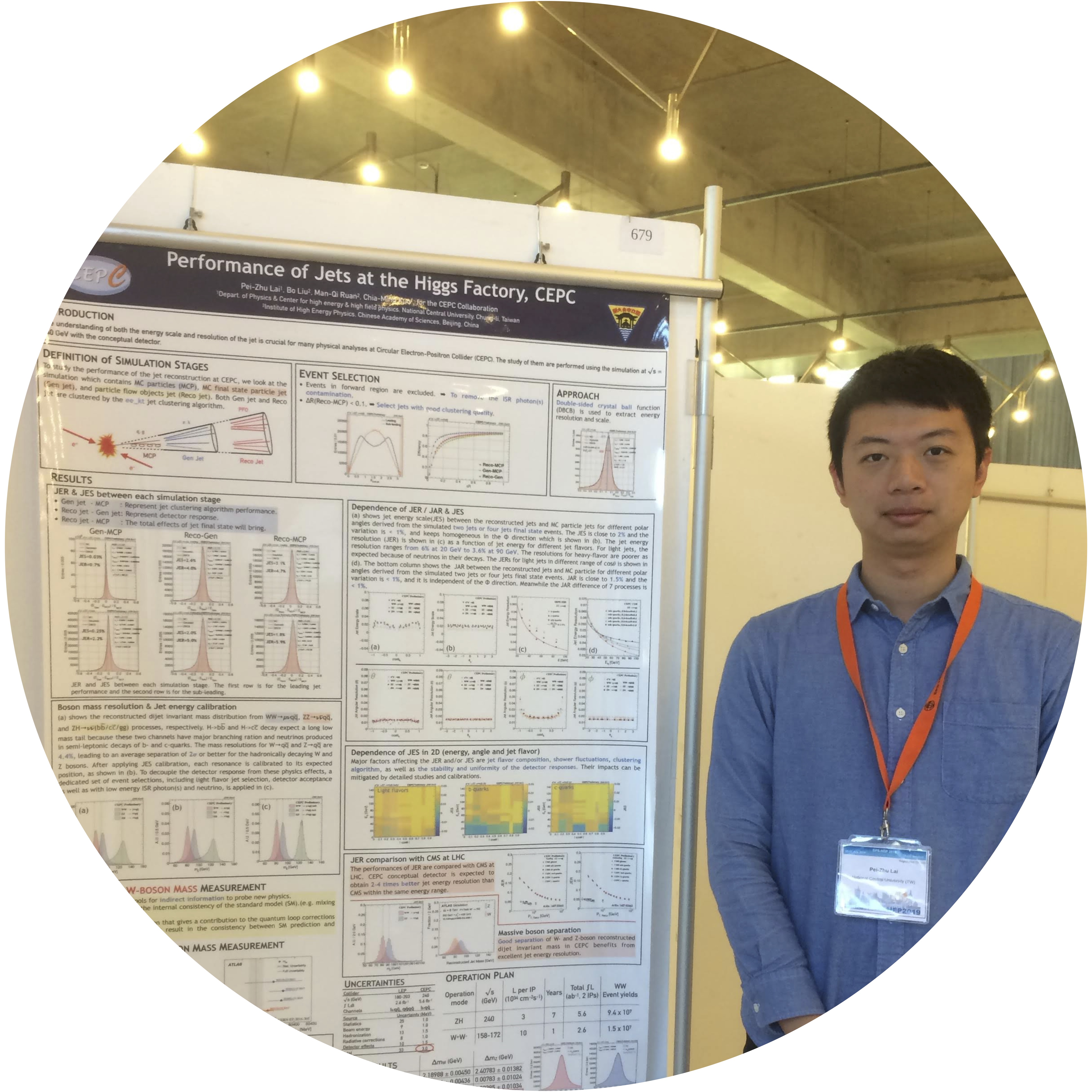
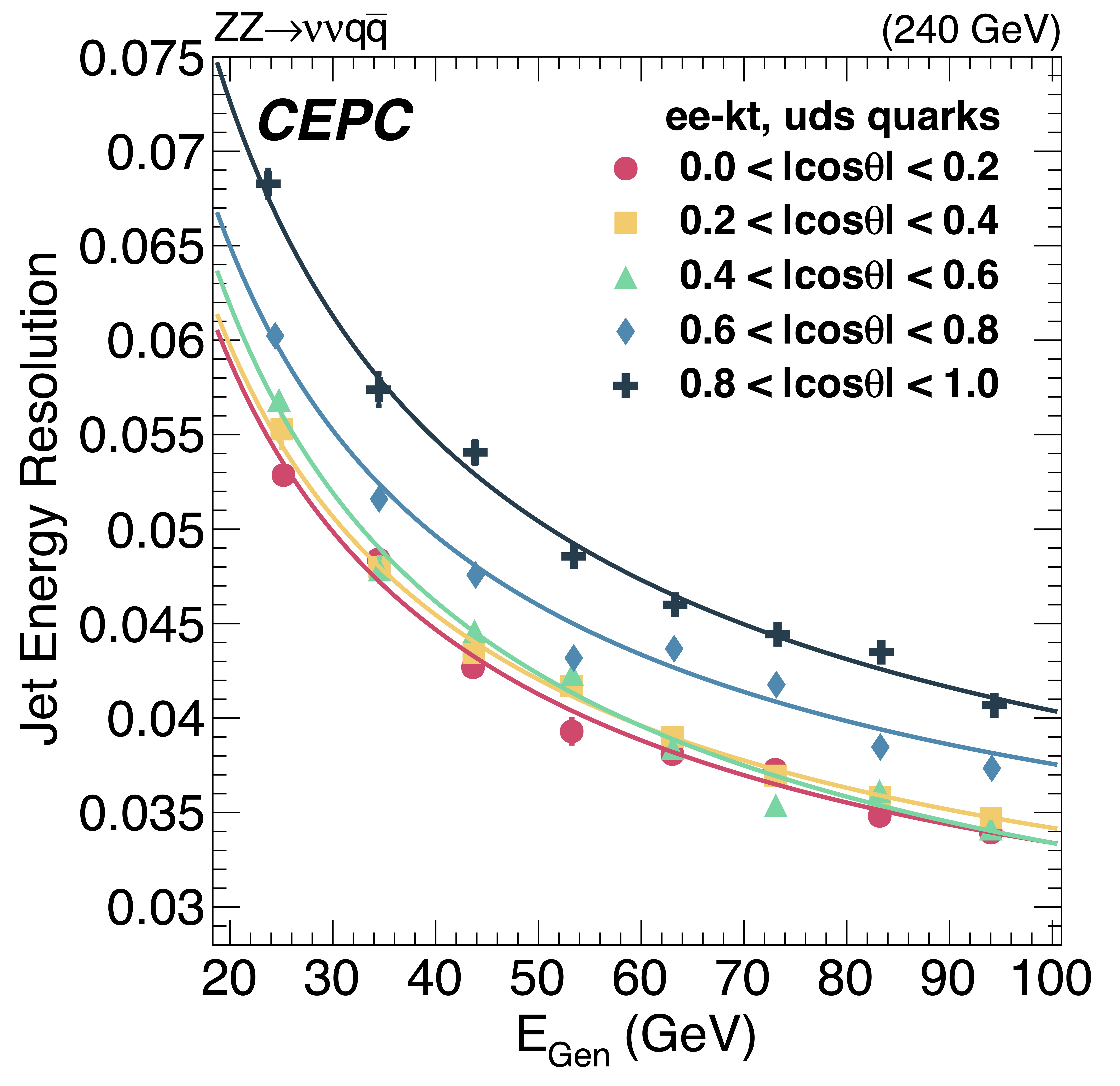
I conducted jet performance at CEPC. Jet reconstruction plays a pivotal role in precision measurements at CEPC, especially regarding properties of the Higgs boson and electroweak observables. My analysis focused on the energy and angular responses of representative 2- and 4-jet processes using fully simulated samples under the CEPC’s baseline detector geometry. In the detector’s barrel region with energies exceeding 60 GeV, I achieved a relative resolution of 3.5% and 1% for jet energy and angular measurements, respectively. Additionally, I controlled the jet energy/angular scale within 0.5/0.01%. I also extracted the differential dependencies of jet responses on both jet direction and energy. Moreover, my analysis included studying the impact of different jet clustering algorithms and matching criteria on jet responses, revealing a relative difference of up to 8%. Furthermore, I dedicated efforts to improve the boson mass resolution for W-, Z-, and Higgs-boson in dijet final states. This research was published in the Journal of Instrumentation, JINST 16 P07037.

- Jet performance at the Circular electron-positron Collider, (2021) JINST 16 P07037, doi:10.1088/1748-0221/16/07/P07037, arXiv:2104.05029
B-jet Energy Regression at CMS
My initial project involved employing multivariate techniques for energy regression of b-jets, utilizing MC samples derived from the Compact Muon Solenoid (CMS) detector at the Large Hadron Collider (LHC). By training 18 variables in tt, I achieved substantial enhancements. Notably, in the test sample and VH production sample, the resolution of b-jets improved by 8% in jet energy resolution and an impressive 50% in jet energy scale.
Physics Impact of Solid Angle at CEPC
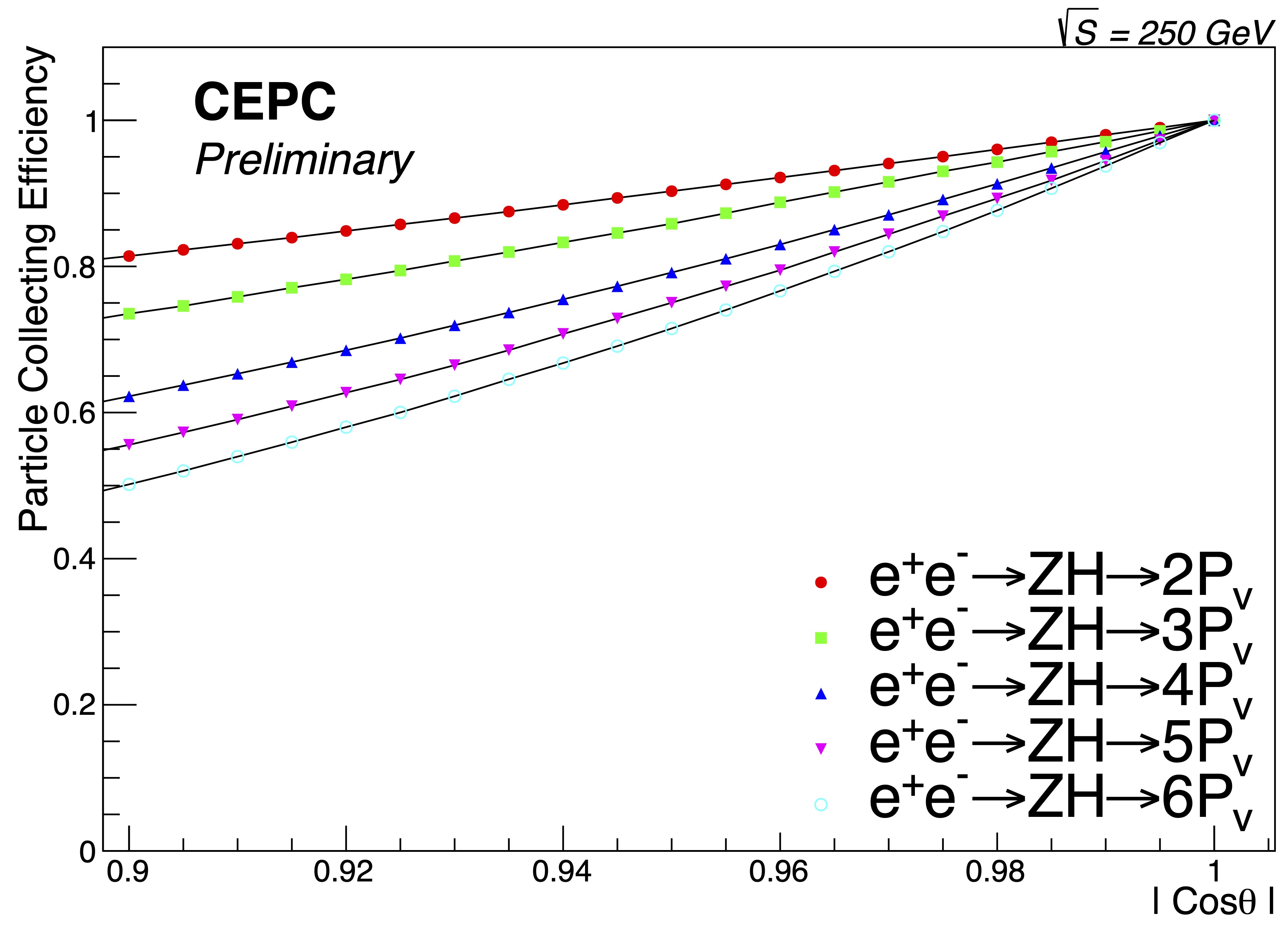
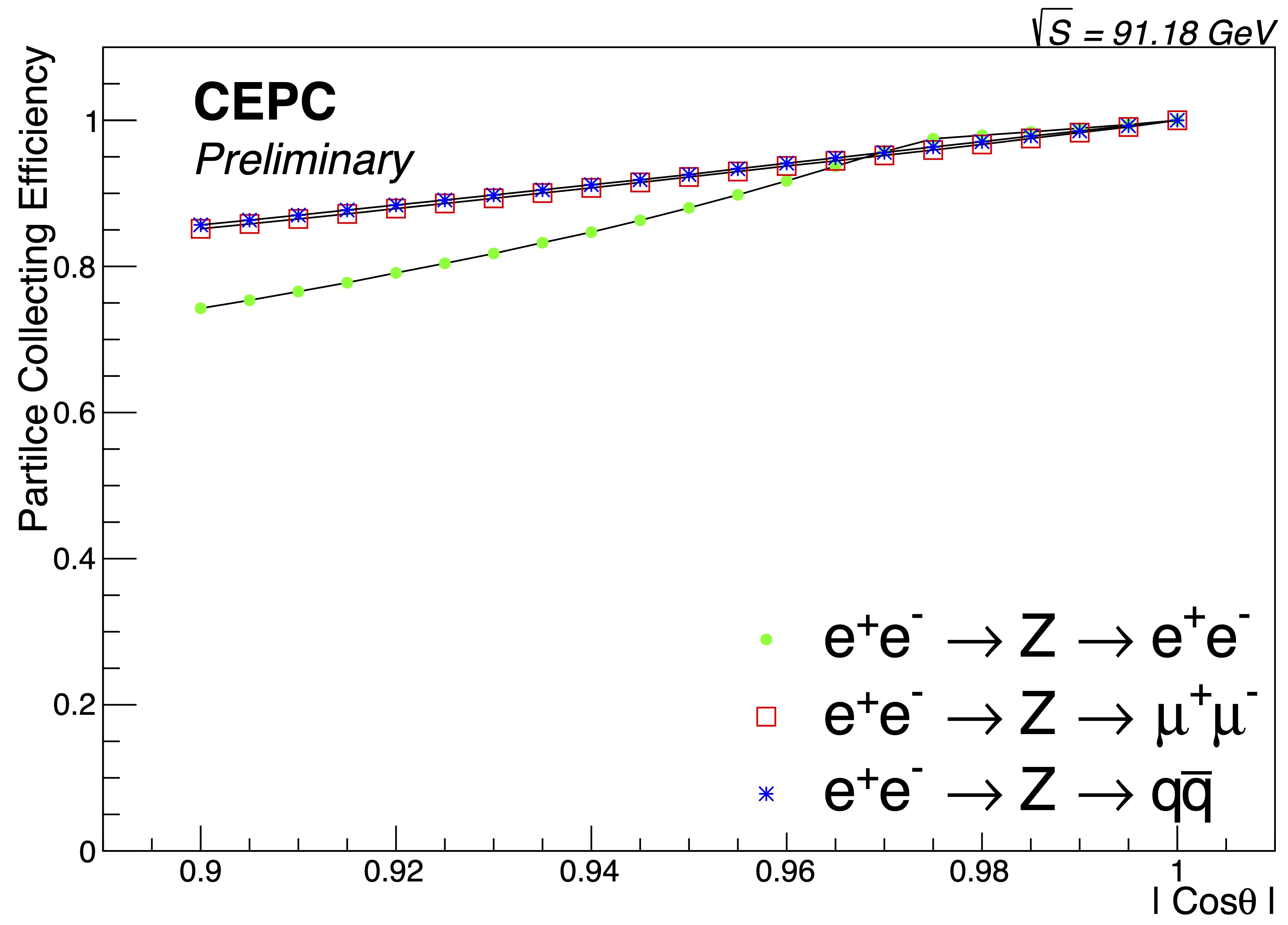
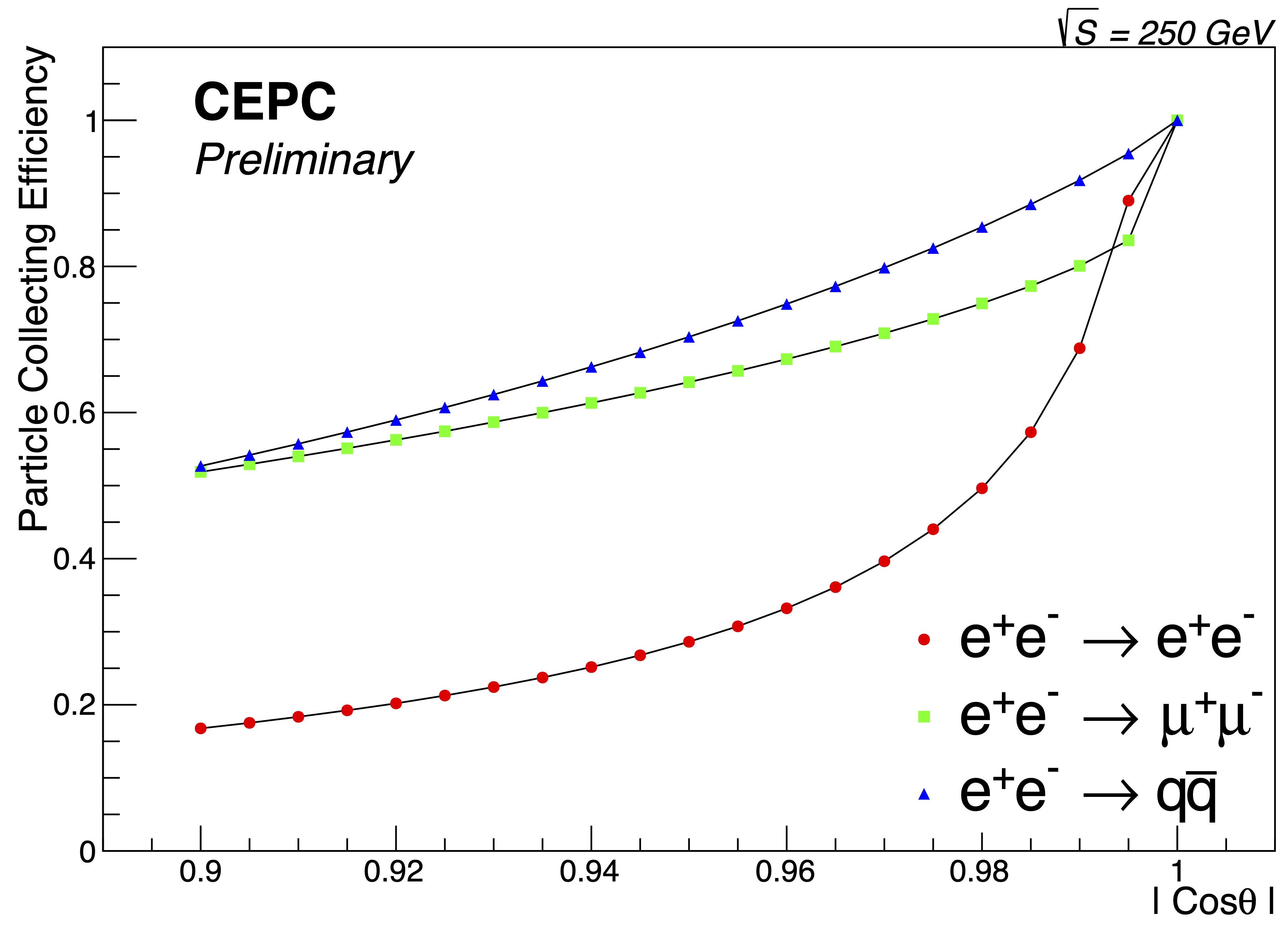
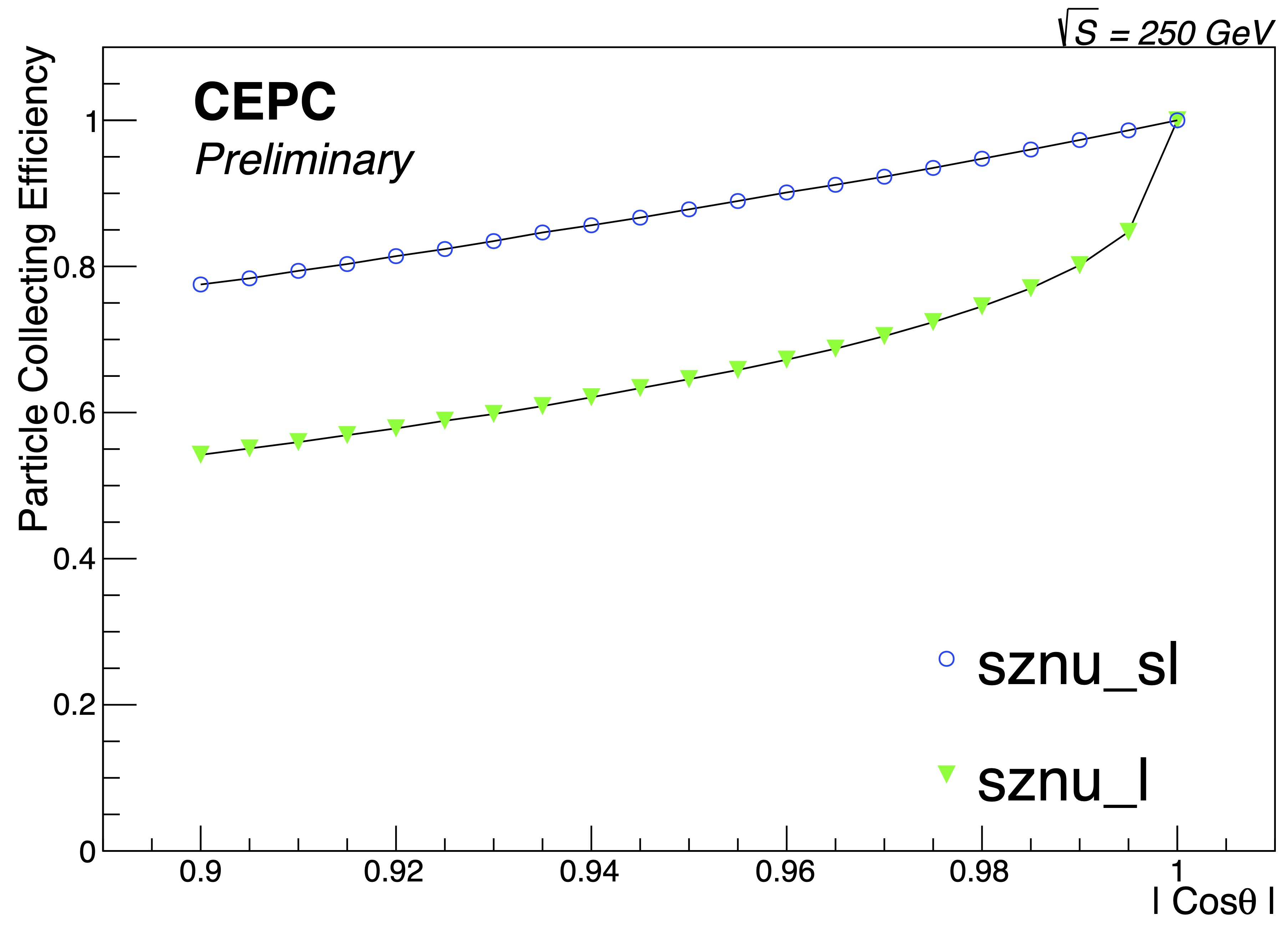
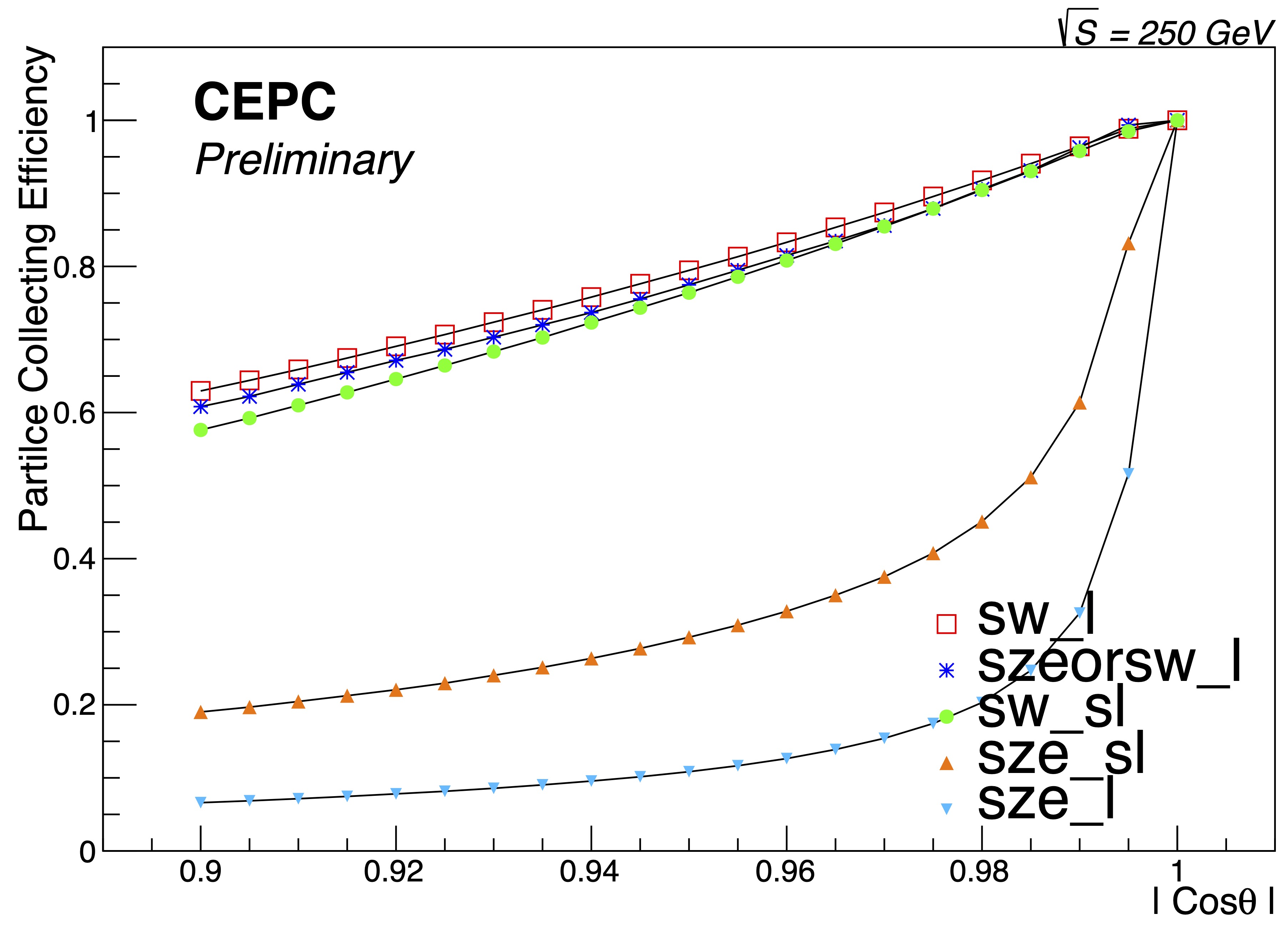
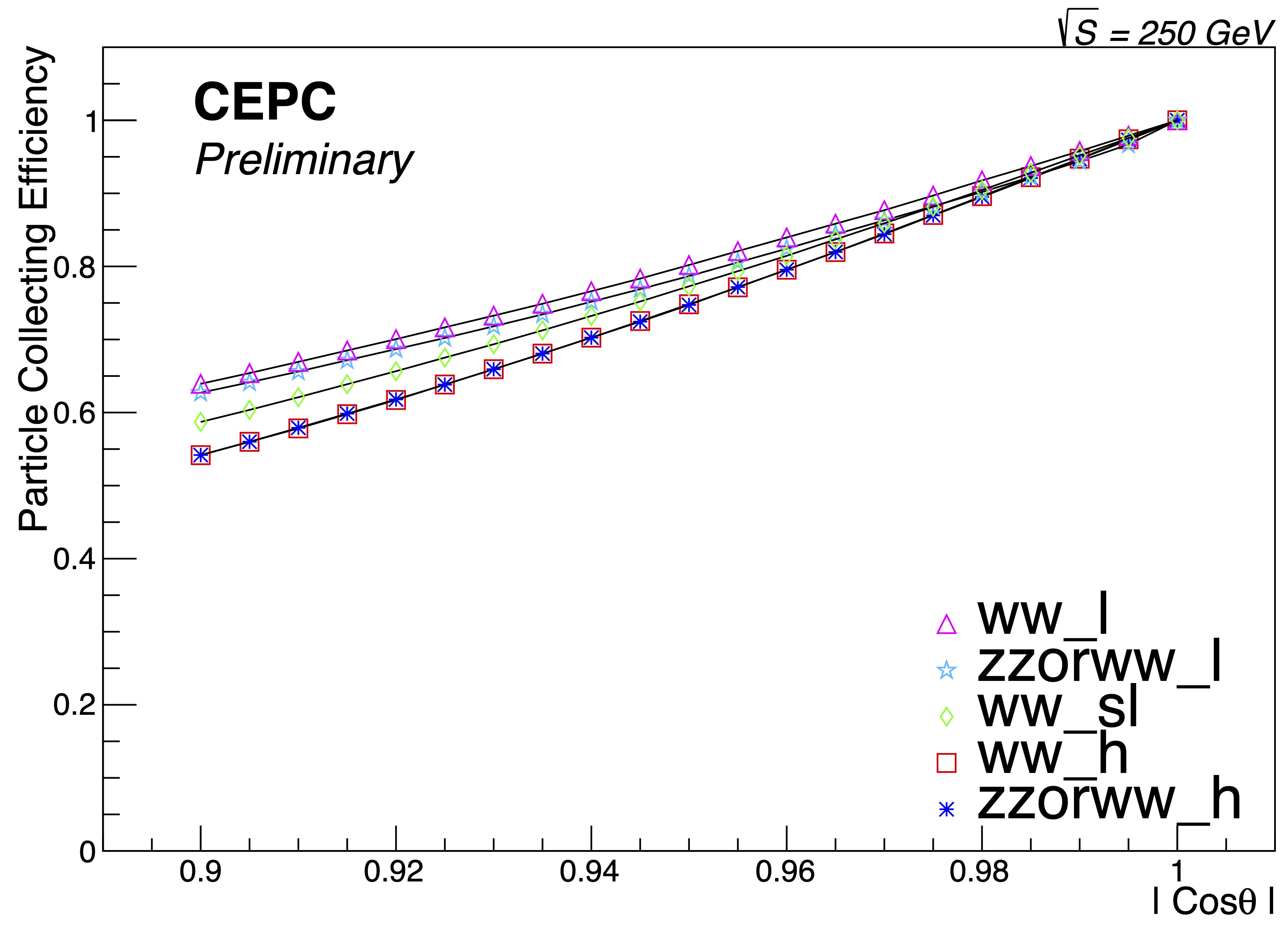
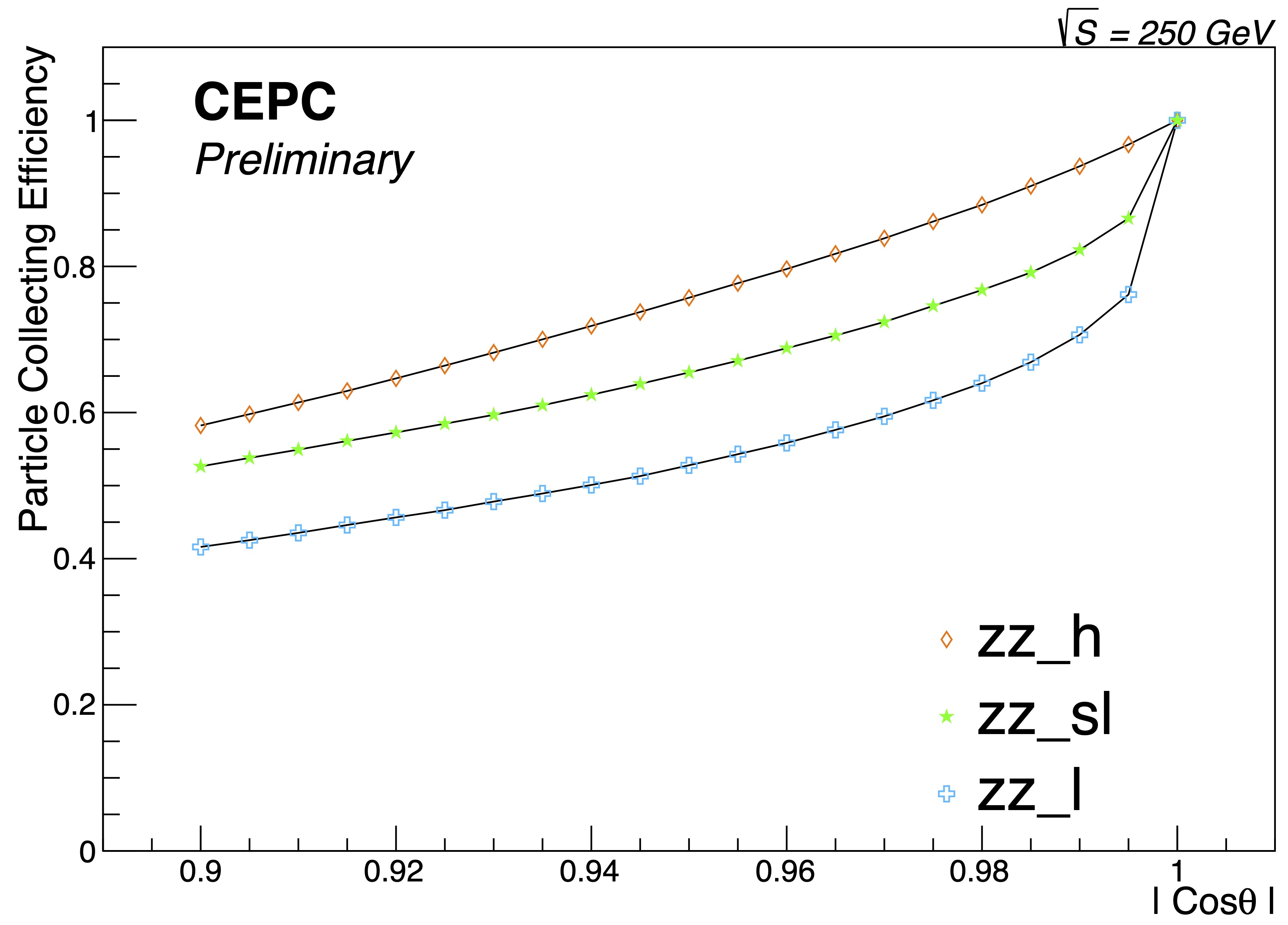
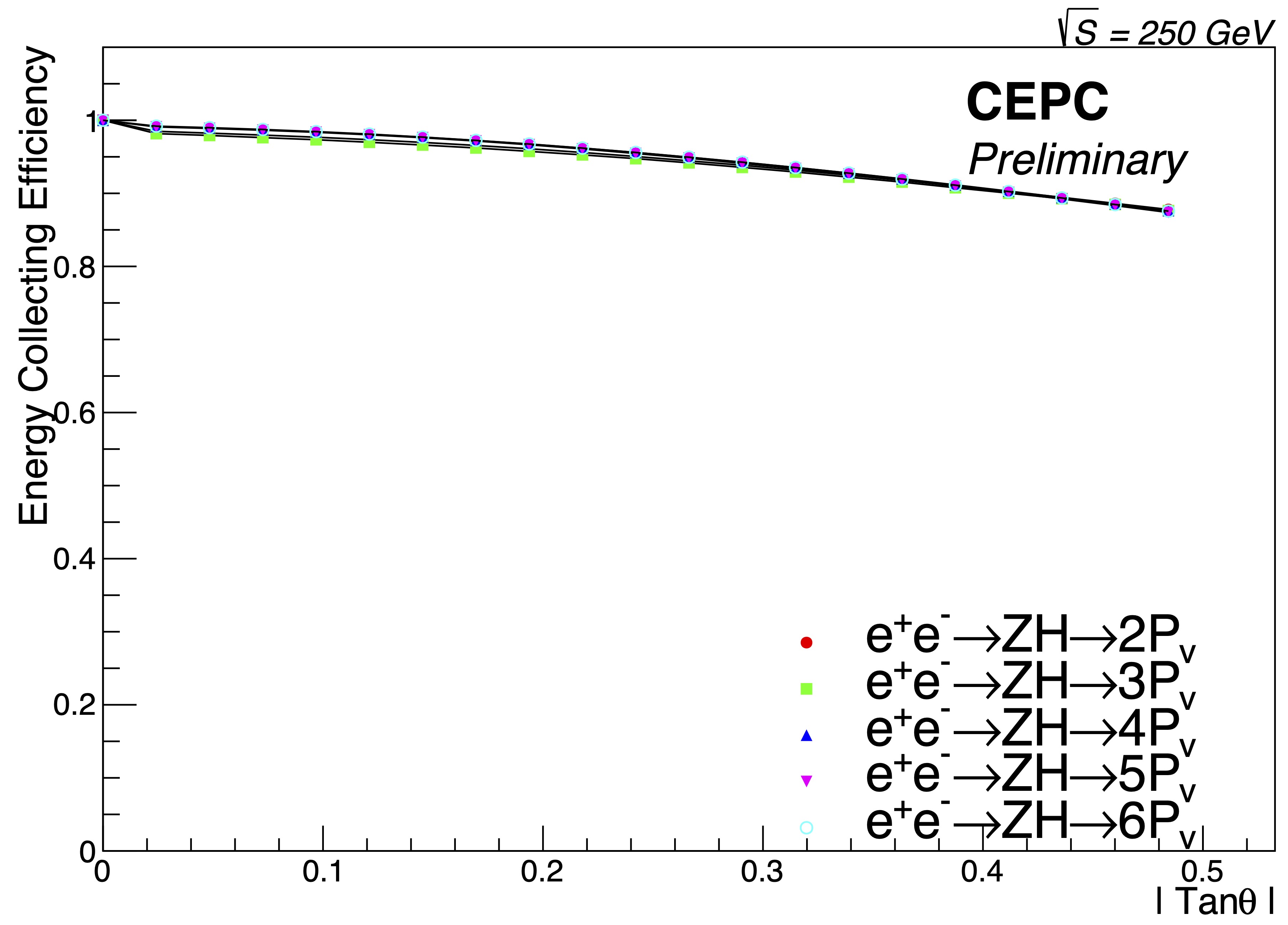
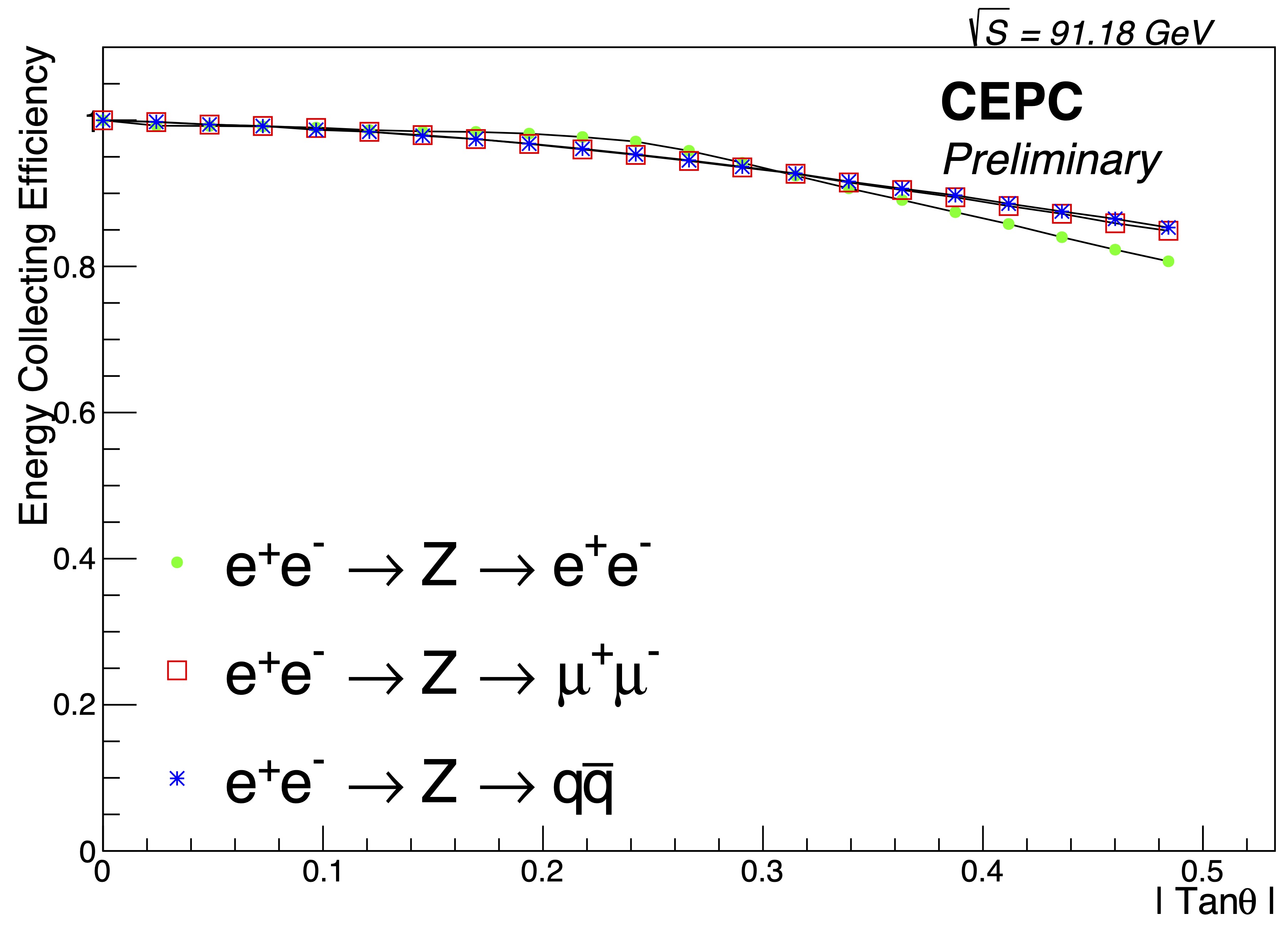
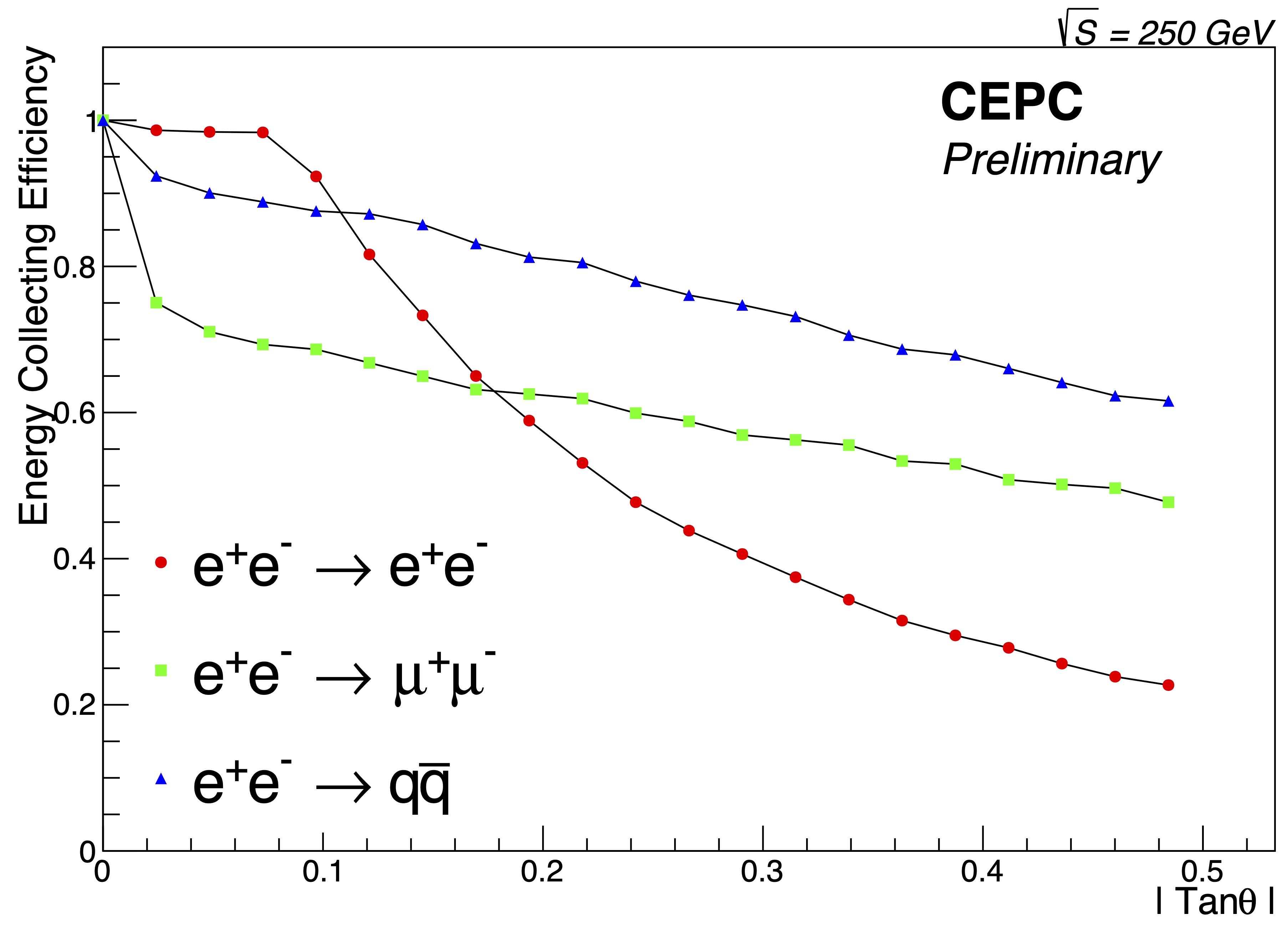
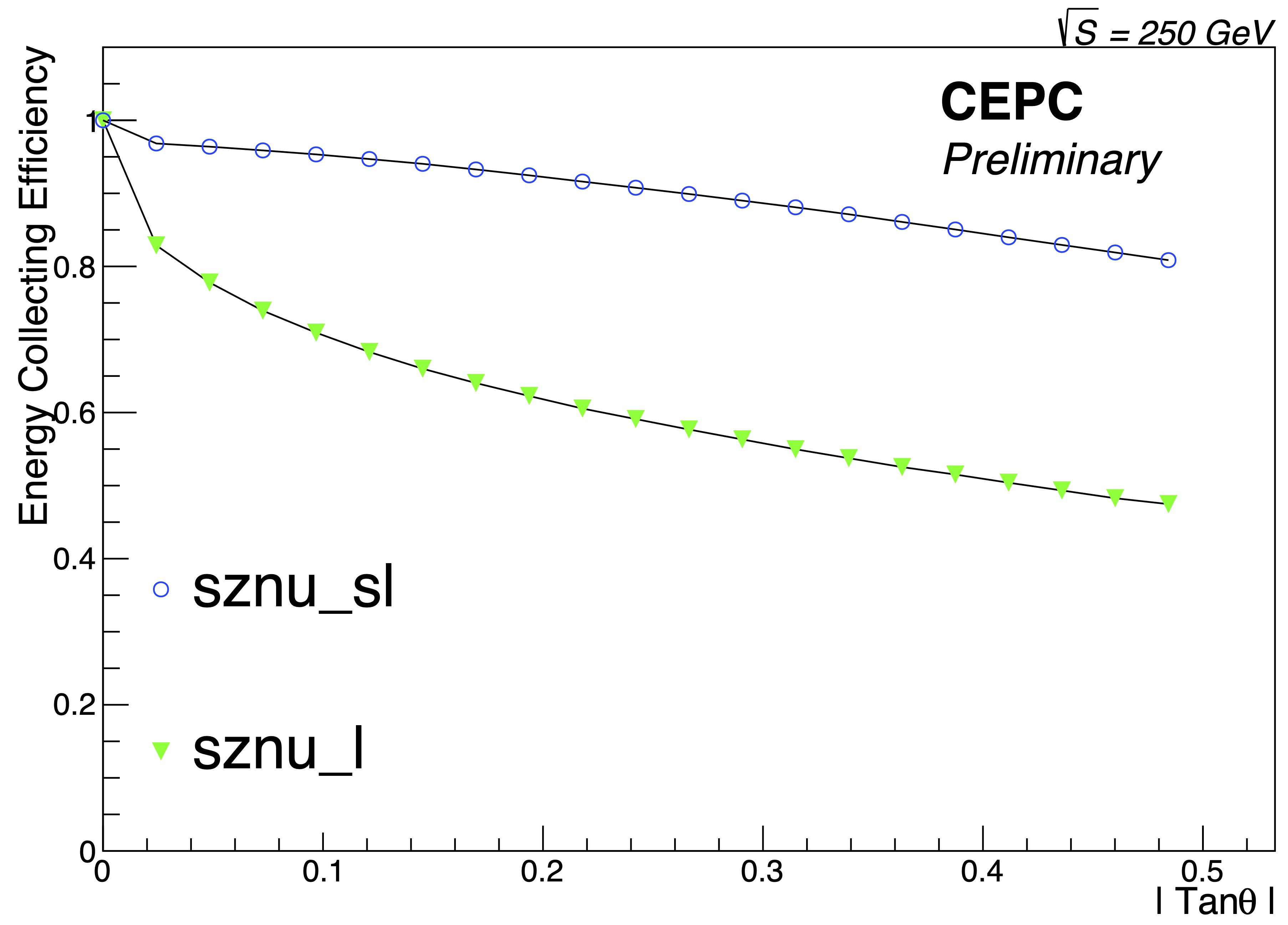
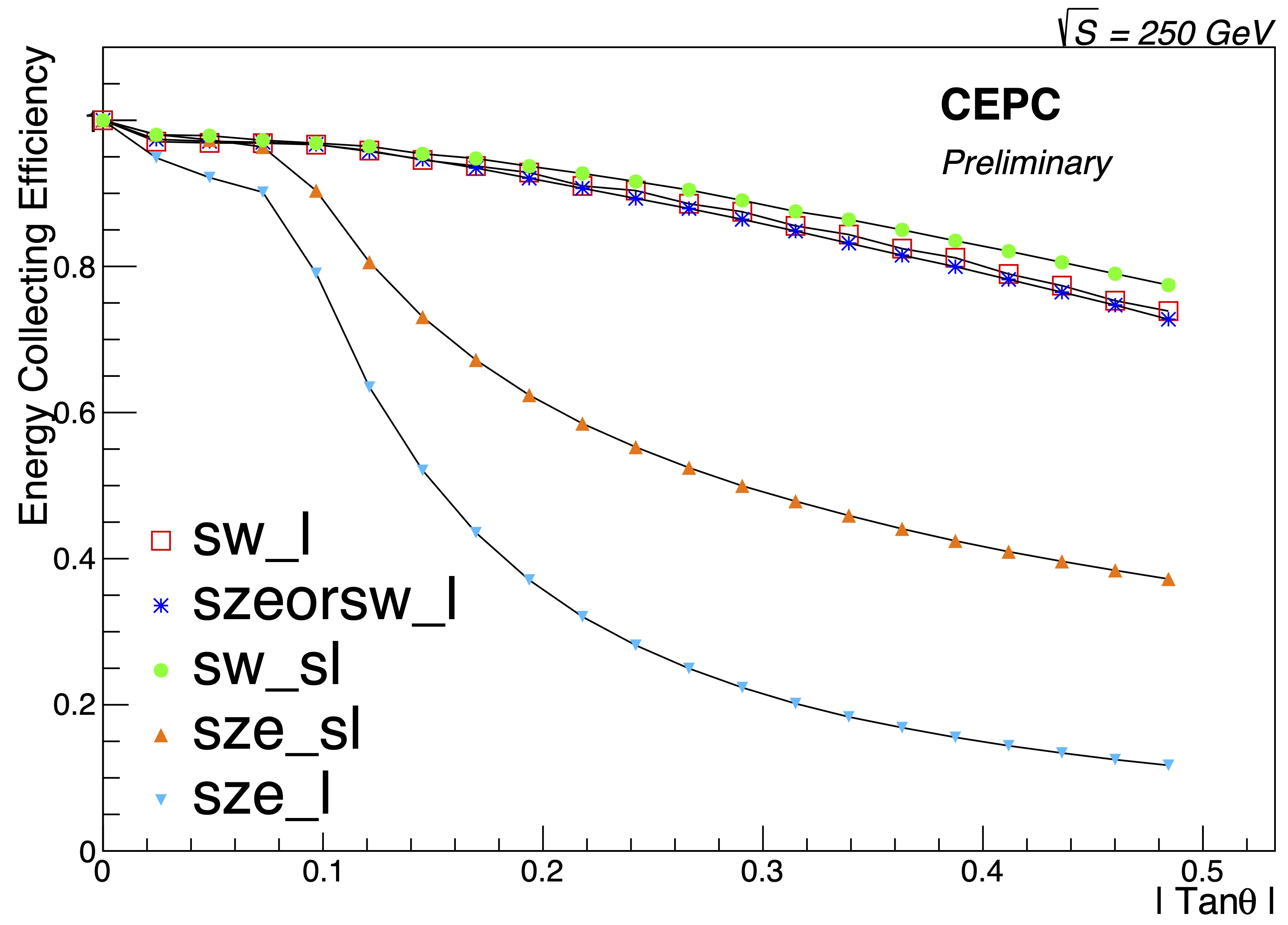
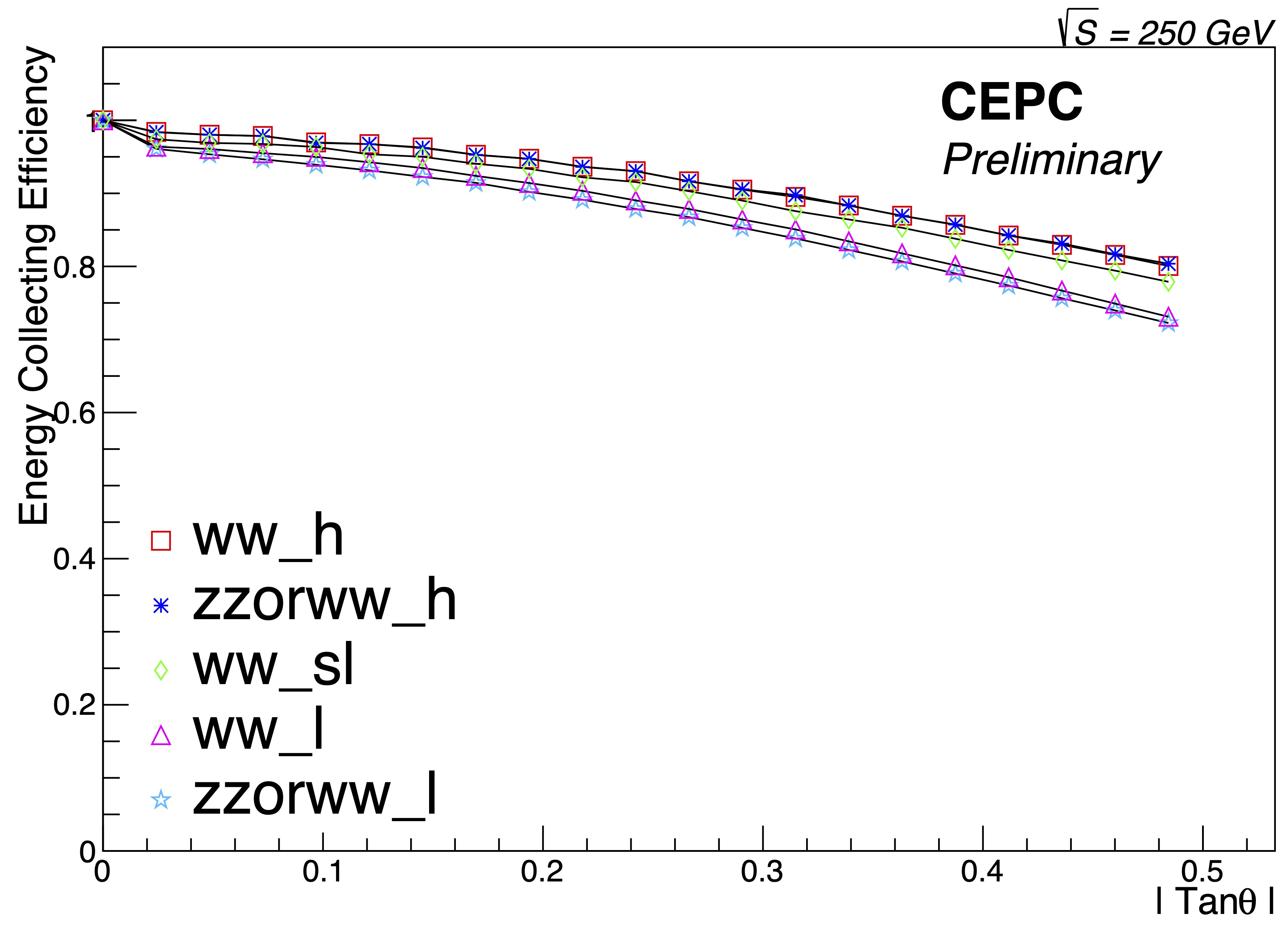
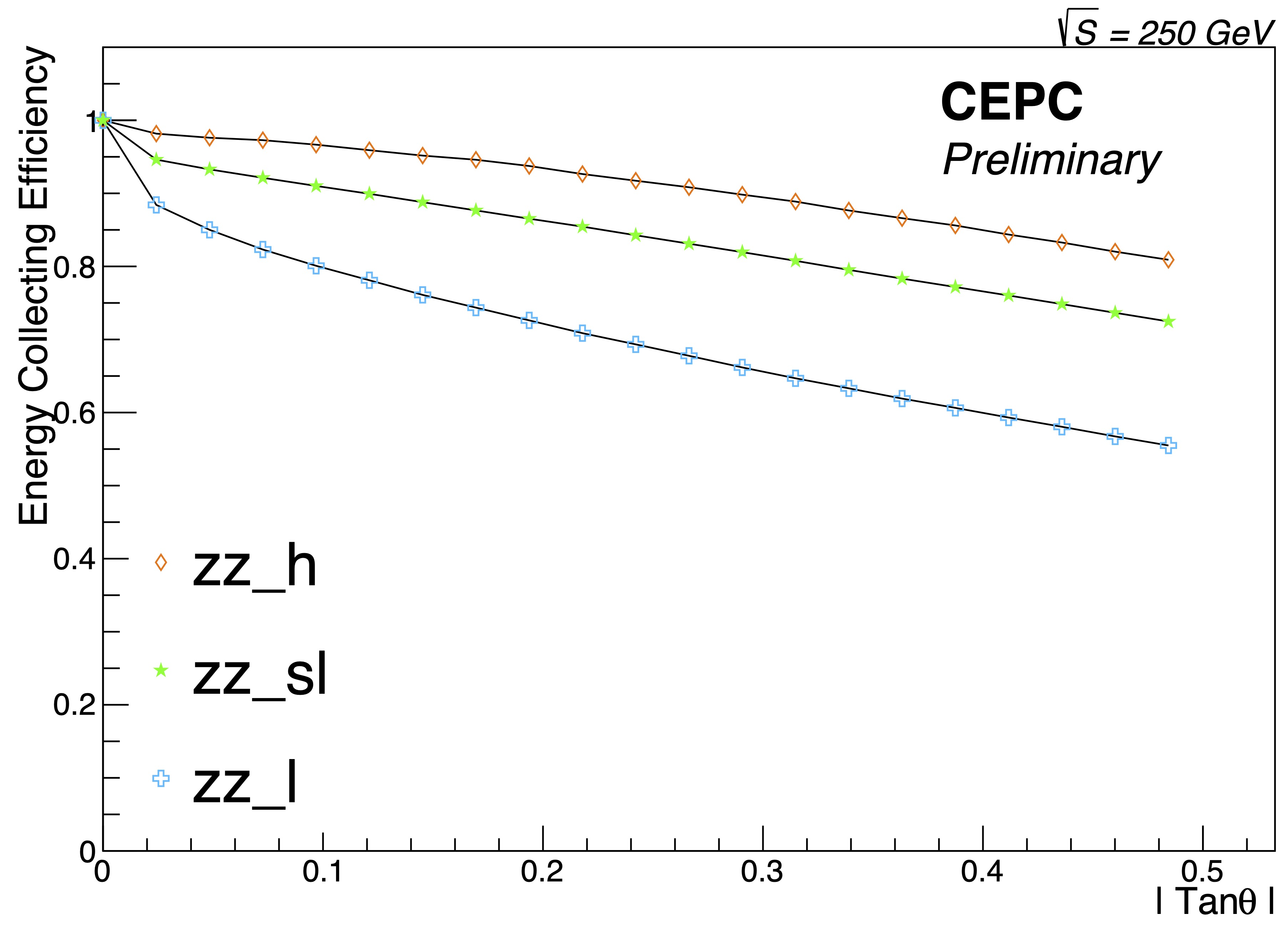
Accurate physical measurements necessitate extensive statistical data. The detector’s coverage significantly influences data accumulation efficiency. An increased diameter within a certain range of the beam pipe can enhance luminosity to some extent. Conversely, expanding the angle of the beam pipe decreases coverage. This study provides initial insights into particle collection efficiency for the accelerator group, allowing for optimization in physics performance between the detector and accelerator.
Particle collective efficiency refers to the ratio of events where all visible particles fall within the detector’s acceptance to the total number of events. On the other hand, energy collective efficiency represents the ratio of the energy of visible particles within the detector’s acceptance to the total energy of all visible particles.